 Back
BackWhy mold affects people differently: unmasking sensitivity
Quick Summary / Key Takeaways
- It's common for individuals in the same household to experience vastly different reactions to mold exposure.
- Genetic susceptibility to mold, particularly variations in HLA-DR genes, plays a significant role in these mold sensitivity differences.
- Other factors like overall health, duration of exposure, and specific mold types also contribute to varying reactions.
- Understanding these differences is key to addressing potential mold-related health issues effectively.
It seems like everyone's asking: Why does mold seem to affect some people in a household more severely than others? You're not alone in wondering this, and it's a really important question. Let's break down the science behind these mold sensitivity differences.
The Mold Conundrum: Why Your Sibling Sneezes and You... Don't (Or Vice Versa!)
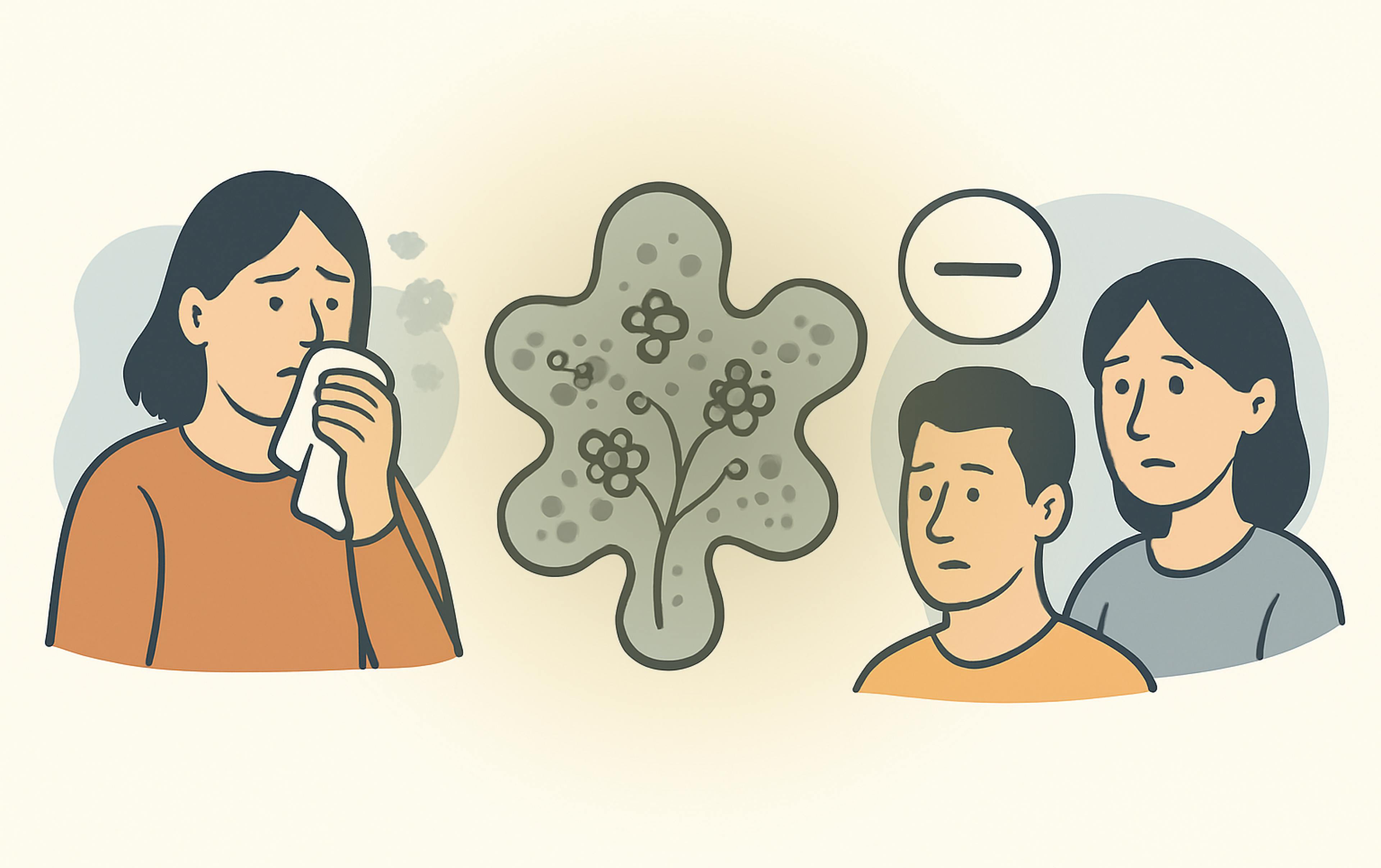
Ever noticed how one person in your family might develop a cough, headaches, or fatigue in a musty environment, while another seems completely unfazed? It’s a common scenario and can be baffling, leading many to wonder, "why am i so sensitive to mold?" The truth is, it's not just in your head. Understanding why mold sensitivity differences exist is crucial, not just for peace of mind, but because ongoing exposure can have serious health implications for those who are susceptible.
The primary reason for these varying reactions often boils down to our unique genetic makeup. Specifically, our genetic susceptibility to mold plays a starring role.
The Genetic Factor: Meet Your HLA-DR Genes
At the heart of these mold sensitivity differences are specific genes known as Human Leukocyte Antigen (HLA) genes, particularly the HLA-DR variants. Think of these genes as the bouncers for your body's immune club. They're responsible for recognizing foreign invaders (like mold toxins, also known as mycotoxins) and telling the immune system, "Hey, this doesn't belong here, get rid of it!"
- For about 75% of the population: Their HLA-DR genes work pretty efficiently. When they encounter mycotoxins, their immune system identifies them, tags them, and escorts them out of the body relatively effectively. They might experience mild, temporary symptoms if exposure is high, or none at all with low exposure.
- For the other 25%: They have specific HLA-DR mold gene variations that make it difficult for their immune system to "see" and properly tag mycotoxins for elimination. Instead of being efficiently removed, these toxins can accumulate in the body, triggering a persistent and widespread inflammatory response. This chronic inflammation is what underlies conditions like Chronic Inflammatory Response Syndrome (CIRS).
This genetic difference largely explains why you might observe family members' different mold reactions – some are genetically equipped to handle the exposure better than others.
Beyond Genetics: Other Contributing Factors
While genetic susceptibility to mold is a major player, other factors can also influence how an individual reacts to mold:
- Overall Immune Health: A compromised immune system (due to other illnesses, stress, or poor nutrition) can make anyone more vulnerable to mold's effects, regardless of their HLA genes.
- Duration and Intensity of Exposure: Someone living or working in a heavily contaminated environment for a long time is more likely to develop symptoms than someone with brief, low-level exposure.
- Specific Mold Types: Different molds produce different mycotoxins, some of which are more potent or trigger different inflammatory pathways than others.
- Cumulative Toxin Load: Exposure to other environmental toxins (chemicals, heavy metals) can add to the body's overall burden, potentially making it harder to deal with mold toxins.
It's important to remember that this information is for educational purposes and not medical advice. Individual experiences with mold can be complex and vary widely. The presence of mold can unfortunately lead to the development of these mold-related illnesses which require a specialized understanding and a tailored approach to care.
What Can You Do?
- Observe Patterns: If you notice that certain family members consistently react more strongly in potentially moldy environments, it might suggest underlying sensitivity.
- Acknowledge Individual Reactions: Understand that everyone's experience is valid. Just because one person isn't affected doesn't mean another's symptoms aren't real.
- Consider Professional Evaluation: If you have significant concerns about mold exposure and its impact on your health or the health of your family members, seeking professional environmental testing for your home and consulting with healthcare providers knowledgeable about mold-related illness is advisable.
Feeling Like Your Body is Overreacting to Mold? MoldCo Can Help Uncover Why.
If you're tired of the mystery surrounding why mold hits you harder than others, or if you suspect mold sensitivity differences are impacting your family's health, MoldCo offers a path to clarity. We provide evidence-based testing and telehealth care designed to identify the root causes of mold-related illness and guide you toward recovery. Our expert clinicians understand the science behind genetic susceptibility to mold and can help you navigate the complexities of diagnosis and treatment.