Care and Treatment
CIRS Treatment Protocol: Your Evidence-Based Roadmap to Recovery
MoldCo Editorial Team

The short answer
Contents
- Key Takeaways
- What Is CIRS? Understanding Mold-Related Illness
- The Evidence Behind Mold Toxicity Treatment
- Systematic Reviews and Institutional Support
- Epidemiological Consistency
- Clinical Trial Evidence
- The Three Phases of Mold Toxicity Treatment
- Phase 1: Detox - Removing Biotoxins
- Phase 2: Clear - Addressing MARCoNS and Biofilms
- Phase 3: Repair - Restoring Immune Balance
- Understanding CIRS Biomarkers: The Immune Fingerprint
- The Three Key Markers
- Why the Pattern Matters
- Testing Options
- Environmental Testing and Remediation
- The Scale of the Problem
- HERTSMI-2 Testing
- Remediation Guidance
- Treatment Timeline: What to Expect
- Overall Duration
- General Sequence
- What Affects Duration
- How to Get Started with Mold Toxicity Treatment
- Step 1: Assess Your Symptoms
- Step 2: Consider Testing
- Step 3: Connect with a Provider
- What Makes MoldCo Different
- Frequently Asked Questions
- Is telehealth as effective as in-person care for mold illness?
- How long does treatment take?
- Do I need lab testing to start treatment?
- Can I start treatment if I am still living in a moldy environment?
- What does treatment cost?
- What if I have been misdiagnosed with another condition?
- Glossary of Terms
- Related Resources
- Internal Resources
- External Resources
- Your Next Steps
If you have been struggling with unexplained fatigue, brain fog, joint pain, or a constellation of symptoms that doctors cannot seem to explain, you are not alone. Millions of people live in buildings with water damage, and for many, this exposure triggers a chronic inflammatory response that conventional medicine often misses.
The good news: mold-related illness is treatable. Over the past three decades, researchers have developed a sequential, evidence-based treatment protocol that has helped more than 30,000 patients recover. This guide walks you through everything you need to know about mold toxicity treatment, from understanding the science to taking your first steps toward recovery.
Not sure if mold exposure could be affecting your health? Take the free symptom questionnaire to see if your symptoms match the pattern, or review our guide to signs of mold exposure.
Key Takeaways
- Mold-related illness is real and treatable. Peer-reviewed research spanning three decades supports the connection between water-damaged building exposure and chronic inflammatory illness.
- 24% of the population carries genetic variations (HLA haplotypes) that make them susceptible to biotoxin-related illness, according to published research.
- Treatment follows a structured, sequential approach with three core phases: Detox, Clear, and Repair. Most patients complete treatment in 6-12 months.
- You may not need to wait for a perfect environment to start. Binder therapy can begin even while you are still working on your living situation.
- Biomarker testing provides objective evidence. A pattern of elevated MMP-9 and TGF-B1 alongside low MSH creates an immune fingerprint not seen in other known illnesses.
- Telehealth makes treatment accessible. You no longer need to travel to one of a handful of specialists or wait months for an appointment.
What Is CIRS? Understanding Mold-Related Illness
Chronic Inflammatory Response Syndrome (CIRS) is a multi-system, multi-symptom illness caused by exposure to biotoxins, most commonly from water-damaged buildings. Unlike a typical infection that your immune system clears, biotoxins from mold and other microbes can trigger a chronic inflammatory cascade in genetically susceptible individuals.
Here is what makes mold-related illness different from typical allergies or infections:
Genetic susceptibility plays a major role. Approximately 24% of the population carries specific HLA (Human Leukocyte Antigen) gene variations that affect how their immune system recognizes and clears biotoxins. In people with these gene types, toxins may continue circulating and triggering inflammation rather than being efficiently eliminated.
The symptoms are widespread. Because the inflammatory response affects multiple body systems, patients often experience symptoms across seemingly unrelated areas: neurological (brain fog, memory issues), musculoskeletal (joint pain, weakness), respiratory (shortness of breath, sinus congestion), and hormonal (fatigue, temperature dysregulation).
Common misdiagnoses include: Chronic Fatigue Syndrome, Fibromyalgia, IBS, anxiety, depression, POTS, and various autoimmune conditions. Many patients spend years cycling through specialists before identifying the environmental root cause.
For a deeper look at symptoms, visit our comprehensive guide or review the signs of mold exposure.
The Evidence Behind Mold Toxicity Treatment
You may have heard skeptics claim there is insufficient evidence linking mold exposure to chronic illness. The published research tells a different story.
Systematic Reviews and Institutional Support
The Institute of Medicine (2004) conducted a comprehensive review finding consistent associations between indoor dampness, mold, and increased respiratory symptoms, asthma, and immune dysregulation. The World Health Organization (2009) published guidelines acknowledging that damp indoor environments pose health risks requiring attention.
Epidemiological Consistency
A 2020 systematic review by Dooley and McMahon identified 114 epidemiological studies examining chronic exposure to water-damaged buildings. Of these, 112 studies (98.2%) reported adverse human health effects, spanning respiratory, neurological, immunological, cognitive, and dermatologic systems.
Clinical Trial Evidence
Double-blind, placebo-controlled trials have demonstrated that removing biotoxin exposure and providing targeted treatment leads to measurable improvements in both symptoms and biomarkers. Research published in peer-reviewed journals shows:
- Significant symptom improvement following cholestyramine therapy in clinical trials
- Reproducible biomarker abnormalities across multiple patient cohorts
- Structural brain improvements documented via MRI following the complete treatment protocol
The NIEHS (National Institute of Environmental Health Sciences) acknowledges mold may contribute to symptoms including headache, cognitive issues, and immune effects.
Ready to explore whether mold toxicity treatment could help you? Start your evaluation.
The Three Phases of Mold Toxicity Treatment
Treatment guided by the Shoemaker Protocol follows a sequential, evidence-based approach. Think of it as addressing the problem layer by layer: first stopping the ongoing damage, then clearing persistent biofilms, and finally restoring normal immune function.
Phase 1: Detox - Removing Biotoxins
The foundation of treatment involves binding and removing biotoxins from your body. In genetically susceptible individuals, these toxins can continue circulating through a process called enterohepatic recirculation (cycling from liver to bile to intestines, where toxins are reabsorbed into the bloodstream via the portal vein and returned to the liver).
How it works: Your provider prescribes colesevelam (off-label), a bile acid sequestrant that binds to toxins in the digestive tract and removes them through elimination rather than allowing reabsorption.
What the research shows: In clinical studies, patients treated with cholestyramine showed statistically significant improvement, with group-mean symptoms decreasing from 22.8 to 3.9 after initial treatment. Biomarker improvements included normalization of MMP-9 in 95% of affected patients.
Important: You may begin binder therapy even if you are still in a problematic environment. While removing yourself from ongoing exposure is ideal, treatment does not need to wait until you have found a perfect living situation. Your provider will assess your individual circumstances.
Phase 2: Clear - Addressing MARCoNS and Biofilms
Once biotoxins are being actively removed, the next phase addresses bacterial reservoirs that may perpetuate inflammation. MARCoNS (Multiply Antibiotic Resistant Coagulase Negative Staphylococci) are bacteria that can colonize the nasal passages and form biofilms, contributing to ongoing immune activation.
How it works: A targeted nasal therapy using EDTA helps disrupt biofilms and address bacterial colonization. This step typically begins after you have been on full-dose binder therapy for at least four weeks.
Why it matters: Research published in the Shoemaker Protocol documentation emphasizes that clearing MARCoNS is often necessary for sustained recovery, as these bacteria can continue triggering inflammatory responses even after biotoxin removal.
Phase 3: Repair - Restoring Immune Balance
The final phase focuses on re-establishing normal neuroendocrine and immune function. This is where the body moves from simply halting damage to actively healing.
How it works: VIP (Vasoactive Intestinal Peptide) nasal spray helps restore regulatory balance in the immune system. VIP is a naturally occurring peptide that plays a role in anti-inflammatory signaling and immune modulation.
VIP nasal spray is used off-label for mold-related illness. Compounded VIP nasal spray is not FDA-approved.
What the research shows: In an IRB-approved clinical trial, patients treated with VIP showed mean symptom scores decreasing from 12.9 to 3.3 (a 74% reduction). The study also documented significant changes in over 700 genes related to metabolism, inflammation, and immune function. Separate research demonstrated that VIP treatment was associated with restoration of grey matter volume in brain regions affected by chronic inflammation.
Learn about MoldCo's approach to treatment or explore our testing options to understand your biomarker status.
Understanding CIRS Biomarkers: The Immune Fingerprint
One of the strengths of mold toxicity treatment is that it relies on objective, measurable markers rather than subjective symptoms alone. A specific pattern of biomarker abnormalities creates what researchers call an "immune fingerprint."
The Three Key Markers
MSH (Melanocyte-Stimulating Hormone): This master regulatory hormone controls inflammation, gut barrier function, and hormone production. In mold-related illness, MSH is typically suppressed. Research shows that 94% of CIRS patients have low MSH levels.
TGF-B1 (Transforming Growth Factor Beta-1): This cytokine regulates immune cell activity and tissue remodeling. Elevated TGF-B1 contributes to inflammation and immune dysregulation. Approximately 89% of CIRS patients show elevated TGF-B1.
MMP-9 (Matrix Metalloproteinase-9): This enzyme is involved in tissue breakdown and inflammation. Elevated MMP-9 is found in approximately 85% of CIRS patients and correlates with active inflammation.
Why the Pattern Matters
Many conditions can elevate a single inflammatory marker. What makes mold-related illness distinctive is the combination: elevated MMP-9 and TGF-B1 occurring alongside suppressed MSH. This three-point immune fingerprint is vanishingly rare outside of biotoxin-related illness, providing clinicians with objective evidence to guide treatment decisions.
Testing Options
The Starter Health Panel ($56) measures these three core markers (MSH, TGF-B1, MMP-9) and provides a strong initial assessment. For complex cases or additional clarity, the Complete Health Panel includes expanded markers such as C4a.
Environmental Testing and Remediation
Treating the patient is only half the equation. Understanding and addressing the source of exposure is equally important for sustained recovery.
The Scale of the Problem
Environmental contamination is more common than most people realize:
- 50% of residential buildings show evidence of water damage, according to a study of over 12,800 homes
- 85% of commercial buildings have experienced past water damage, per EPA research
- Mold growth can begin within 24-48 hours of water intrusion
HERTSMI-2 Testing
The HERTSMI-2 dust test measures DNA from five mold species most associated with water damage and health effects. Unlike air sampling (which captures only what is airborne at a single moment), dust testing provides a picture of accumulated contamination over time.
Score interpretation:
- Below 11: Likely safe for most people
- 11-15: Borderline (caution advised for those with suspected mold toxicity)
- Above 15: Indicates significant contamination requiring attention
You can order a Home Mold Test (HERTSMI-2) to assess your environment.
Remediation Guidance
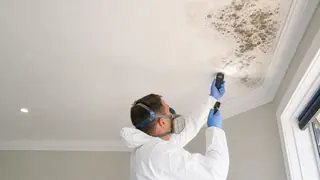
If testing reveals contamination, professional remediation may be necessary. Look for companies with current IICRC certifications and experience with medical-grade remediation standards. After remediation, wait approximately four weeks for dust to accumulate before retesting to verify success.
Treatment Timeline: What to Expect
One of the most common questions is "How long will this take?" While every patient is different, here is what the evidence and clinical experience suggest.
Overall Duration
Treatment typically takes 6-12 months, with most patients completing the three protocol phases in approximately 6 months. Some patients with complex presentations or ongoing environmental challenges may require longer support.
General Sequence
- Diet adjustments and binder initiation \- The first phase establishes the foundation
- Full-dose binder therapy \- Titrating to therapeutic levels and maintaining
- MARCoNS clearance \- Addressing nasal colonization when indicated
- VIP therapy \- Final phase for immune restoration (assessed case by case)
What Affects Duration
Factors that may influence your timeline include:
- Severity and duration of illness before treatment
- Whether you are able to reduce or eliminate ongoing exposure
- Individual response to each phase of treatment
- Presence of complicating factors like MARCoNS colonization
Your provider will tailor the approach to your specific situation rather than following rigid timelines.
For questions about cost and payment options, visit our pricing page or start a conversation with our care team.
How to Get Started with Mold Toxicity Treatment
Taking the first step can feel overwhelming when you have been struggling with unexplained symptoms. Here is a clear path forward.
Step 1: Assess Your Symptoms
Take the free symptom questionnaire to see if your symptom pattern matches mold-related illness. This quick screening helps you understand whether further evaluation makes sense.
Step 2: Consider Testing
You have two testing paths to consider:
Biomarker testing: The Starter Health Panel ($56) measures the three core markers (MSH, TGF-B1, MMP-9). If two of three markers are abnormal, mold-related illness becomes the most likely explanation.
Environmental testing: The HERTSMI-2 Home Mold Test helps you understand whether your current environment may be contributing to symptoms.
Important: Labs are optional to begin treatment. MoldCo typically treats based on exposure history and symptoms. Testing provides additional clarity but is not required to start care.
Step 3: Connect with a Provider
Start your evaluation to connect with a provider trained in mold toxicity treatment. The initial consultation reviews your history, symptoms, and any test results to determine if treatment is appropriate for you.
What Makes MoldCo Different
- Telehealth access \- No need to travel or wait months for an appointment
- Provider-led care \- Treatment under licensed clinician supervision, not a DIY protocol
- Evidence-based approach \- Guided by 30+ years of research and the Shoemaker Protocol
- Affordable pricing \- Labs offered at cost, transparent treatment pricing
- Ongoing support \- Continued access to providers and care coordination
Frequently Asked Questions
Is telehealth as effective as in-person care for mold illness?
Telehealth is appropriate for initial evaluation, lab coordination, result interpretation, treatment management, and follow-up visits. The core elements of mold toxicity treatment (binder prescription, nasal therapies, lab monitoring) translate well to virtual care. Research shows comparable outcomes for these use cases.
How long does treatment take?
Treatment typically takes 6-12 months, with most patients completing the three-step protocol in about 6 months. Your timeline depends on factors like illness severity, environmental exposure status, and individual response to treatment. Your provider will assess progress and adjust the approach accordingly.
Do I need lab testing to start treatment?
In most cases, no. MoldCo typically treats based on exposure history and symptom patterns. Labs provide valuable additional clarity but are not required to begin care. Some patients prefer testing for peace of mind or documentation purposes, and your provider may recommend labs for certain complex presentations.
Can I start treatment if I am still living in a moldy environment?
Yes, in many cases. While removing yourself from ongoing exposure is ideal, treatment does not need to wait indefinitely. Binder therapy can begin even while you are working on your living situation. Your provider will assess your specific circumstances and make individualized recommendations.
What does treatment cost?
MoldCo offers care at $150-$300 per month including provider access, prescriptions, and ongoing support. Lab panels are offered at cost (Starter Health Panel is $56, compared to $650+ through standard channels). There are no thousands of dollars upfront. View our pricing page for complete details.
What if I have been misdiagnosed with another condition?
Many patients with mold-related illness have previously received diagnoses like Chronic Fatigue Syndrome, Fibromyalgia, IBS, or anxiety. These conditions often share overlapping symptoms. If you have a history of water-damaged building exposure and have not responded to conventional treatment, mold toxicity may be worth exploring as an underlying factor.
For more answers, visit our patient resources section.
Glossary of Terms
CIRS (Chronic Inflammatory Response Syndrome): A multi-system illness caused by exposure to biotoxins, most commonly from water-damaged buildings.
Biotoxin: A toxic substance produced by living organisms, including mold, bacteria, and other microbes found in water-damaged environments.
HLA (Human Leukocyte Antigen): Genes that affect immune recognition. Certain HLA types are associated with susceptibility to biotoxin illness.
MSH (Melanocyte-Stimulating Hormone): A master regulatory hormone that controls inflammation, gut function, and other hormones. Typically low in mold-related illness.
TGF-B1 (Transforming Growth Factor Beta-1): A cytokine involved in immune regulation and tissue remodeling. Typically elevated in mold-related illness.
MMP-9 (Matrix Metalloproteinase-9): An enzyme involved in tissue breakdown and inflammation. Typically elevated during active illness.
MARCoNS (Multiply Antibiotic Resistant Coagulase Negative Staphylococci): Bacteria that can colonize nasal passages and perpetuate inflammation.
VIP (Vasoactive Intestinal Peptide): A naturally occurring peptide used in the final phase of treatment to restore immune balance.
HERTSMI-2: An environmental test measuring DNA from five mold species associated with water damage, scored to indicate contamination levels.
Colesevelam: A prescription bile acid sequestrant used off-label as a binder to remove biotoxins from the body.
Related Resources
Internal Resources
- MoldCo Guide \- Comprehensive education on mold-related illness
- Signs of Mold Exposure \- Symptom identification and patterns
- For Patients \- Support resources and FAQs
- Testing & Products \- Lab panels and home testing options
External Resources
- NIEHS Mold Health Topics \- Government resource on mold and health
- Institute of Medicine: Damp Indoor Spaces and Health \- Foundational systematic review
- WHO Guidelines on Indoor Air Quality \- International health guidance
Your Next Steps
You have read about the science, the treatment approach, and what to expect. Now it is time to take action.
If you are ready to start treatment: Begin your evaluation to connect with a provider and create your personalized treatment plan.
If you want to screen your symptoms first: Take the free questionnaire to see if your symptom pattern suggests mold-related illness.
If you want to test before consulting:
- Order the Starter Health Panel ($56) to assess your biomarkers
- Order the HERTSMI-2 Home Test to evaluate your environment
The path to recovery starts with a single step. You do not have to keep struggling with unexplained symptoms. Evidence-based treatment is available, and it may be more accessible than you think.
Any health-related claims made on this site have not been evaluated by the Food and Drug Administration (FDA). The information provided on this site is not intended as a substitute for professional medical advice, diagnosis, or treatment. Always seek the advice of your physician or other qualified health provider with any questions you may have regarding a medical condition. MoldCo assumes no responsibility or liability for any errors or omissions in the content of the references, nor for any actions taken in reliance thereon.
About the author

MoldCo Editorial Team
Editorial Team
The MoldCo Editorial Team maintains MoldCo's public education library. The team works from MoldCo's product, clinical, and environmental review standards to keep content clear, sourced, and within appropriate medical and remediation boundaries.
Your next step
Not sure whether mold is part of your picture?
The first step is an intake that maps your symptoms and history. You get clarity first, then decide whether provider-guided care fits.
This article is informational and is not medical advice. MoldCo treats but does not diagnose CIRS.